Japan’s semiconductor strength, precision manufacturing, and sustainability focus drive plasmochemical intermediates growth by 2035.
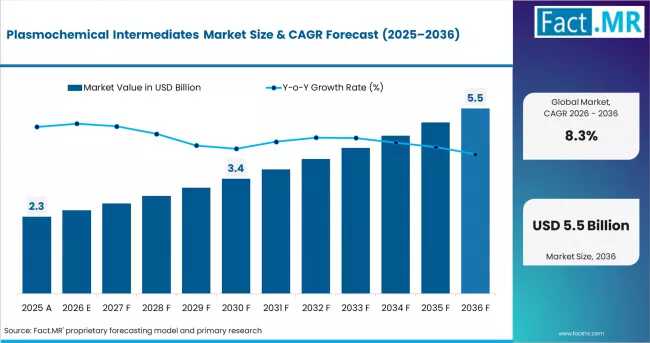
ROCKVILLE, MD, UNITED STATES, April 20, 2026 /EINPresswire.com/ — According to the latest industry analysis, the Japan plasmochemical intermediates market is valued at approximately US$ 420 million in 2026 and is projected to reach US$ 455 million in 2027. The market is expected to expand at a CAGR of 7.9%, reaching nearly US$ 950 million by 2035, creating an incremental opportunity of over US$ 500 million during the forecast period.Japan’s market is undergoing a structural transformation driven by its leadership in semiconductor manufacturing, advanced materials innovation, and precision engineering. With increasing emphasis on low-emission technologies and high-performance materials, plasmochemical intermediates are becoming central to Japan’s next-generation industrial strategy.
Get detailed market forecasts, competitive benchmarking, and pricing trends https://www.factmr.com/connectus/sample?flag=S&rep_id=14754
Quick Stats
Market Size (2026): US$ 420 Million
Market Size (2027): US$ 455 Million
Forecast Value (2035): US$ 950 Million
CAGR (2027–2035): 7.9%
Incremental Opportunity: US$ 500 Million
Leading Segment: Plasma-generated reactive gases (~41% share)
Leading Region: Japan (East Asia hub)
Key Players: Air Liquide, Linde plc, Taiyo Nippon Sanso, Showa Denko, Air Products & Chemicals
Executive Insight for Decision Makers
Japan is transitioning plasmochemical intermediates from specialized applications to a core component of high-tech manufacturing and sustainable chemistry.
Strategic Shift: Integration of plasma-enabled processes in semiconductor fabrication and green chemistry
For Manufacturers: Prioritize high-purity gas systems and plasma reactor optimization
For Investors: Focus on firms aligned with Japan’s semiconductor and advanced materials ecosystem
Risk Factor: High technology costs and slow adoption in traditional sectors may limit near-term scalability
Market Dynamics
Key Growth Drivers:
Strong semiconductor manufacturing base and chip innovation
Rising demand for ultra-precision coatings and nanomaterials
Government support for green and energy-efficient technologies
Expansion of hydrogen and clean energy initiatives
Key Restraints:
High capital investment for plasma systems
Complex operational and technical requirements
Limited adoption among conventional chemical manufacturers
Emerging Trends:
Plasma integration in hydrogen production and energy transition
Development of low-temperature plasma systems
Plasma-assisted recycling and waste-to-value solutions
Growing applications in biomedical and pharmaceutical sectors
Segment Analysis
Leading Segment:
Plasma-generated reactive gases dominate with ~41% market share due to their extensive use in semiconductor etching and deposition.
Fastest-Growing Segment:
Plasma-based specialty coatings driven by demand from automotive, robotics, and electronics sectors.
Breakdown:
By Product: Reactive gases, plasma polymers, ionized intermediates
By Application: Semiconductor processing, coatings, chemical synthesis, energy
By End-use: Electronics, automotive, aerospace, healthcare
Strategic Importance:
Japan’s emphasis on precision engineering and miniaturization is increasing reliance on high-purity plasma intermediates for advanced manufacturing.
Supply Chain Analysis
Raw Material Suppliers:
Industrial gases such as argon, nitrogen, and oxygen, along with specialty precursors, supplied by global and domestic gas companies
Manufacturers / Producers:
Japanese plasma technology firms and chemical manufacturers producing intermediates via advanced plasma reactors
Distributors:
Specialty chemical distributors and industrial gas networks ensuring efficient delivery across manufacturing hubs
End-Users:
Semiconductor manufacturers
Automotive and robotics industries
Energy sector (hydrogen and plasma reforming)
Healthcare and biotech sectors
Who Supplies Whom:
Industrial gas suppliers → plasma technology manufacturers → specialized distributors → high-tech end-users in semiconductor and advanced industries
Pricing Trends
Commodity vs Premium:
Commodity intermediates align with industrial gas pricing
Premium intermediates command higher prices due to ultra-high purity requirements
Key Influencing Factors:
Industrial gas pricing fluctuations
Energy consumption of plasma systems
Quality certifications and purity standards
Semiconductor demand cycles
Margin Insights:
High margins are concentrated in semiconductor-grade intermediates due to strict quality requirements and limited supplier base in Japan.
Regional Analysis (Japan Focus)
Japan stands as a technology leader in East Asia, driven by its strong semiconductor, robotics, and advanced materials sectors.
Advanced R&D infrastructure supports innovation in plasma chemistry
Strong collaboration between industry and academia
High demand for precision materials in electronics and automotive industries
Increasing investment in hydrogen economy and sustainability initiatives
Competitive Landscape
Market Structure:
Moderately consolidated with strong presence of global and domestic industrial gas leaders
Key Players:
Air Liquide
Linde plc
Taiyo Nippon Sanso
Showa Denko
Air Products & Chemicals
Competitive Strategies:
Investment in plasma R&D and advanced material science
Expansion of semiconductor-grade product portfolios
Strategic partnerships with Japanese electronics manufacturers
Focus on sustainability and energy-efficient solutions
Strategic Takeaways
For Manufacturers:
Enhance plasma processing capabilities
Focus on high-purity and application-specific intermediates
For Investors:
Target companies aligned with semiconductor and hydrogen economy trends
For Marketers / Distributors:
Strengthen relationships with electronics and precision manufacturing sectors
Highlight technical expertise and reliability
Future Outlook
Japan’s plasmochemical intermediates market is poised for sustained growth, supported by technological leadership and strong industrial demand.
Long-term opportunities include:
Green chemical manufacturing
Semiconductor miniaturization
Hydrogen production and clean energy
Circular economy and recycling technologies
Conclusion
Japan’s plasmochemical intermediates market is entering a high-growth phase driven by innovation, sustainability, and advanced manufacturing. As industries prioritize precision and environmental responsibility, plasma-based technologies are becoming indispensable.
For stakeholders, success will depend on early adoption, strategic investment, and alignment with Japan’s evolving industrial and technological landscape.
Why This Market Matters
In Japan, plasmochemical intermediates are not just enhancing industrial processes—they are redefining the future of semiconductor manufacturing, clean energy, and advanced materials. This market represents a critical convergence of innovation, efficiency, and long-term industrial competitiveness.
Unlock 360° insights for strategic decision making and investment planning https://www.factmr.com/connectus/sample?flag=S&rep_id=14754
To View Related Report:
rPCF Intermediates Market https://www.factmr.com/report/rpcf-intermediates-market
Zero PCF Intermediates Market https://www.factmr.com/report/zero-pcf-intermediaries-market
Fluorochemical Intermediates Market https://www.factmr.com/report/fluorochemical-intermediates-market
Enzymatic-Recycled PET Intermediates Market https://www.factmr.com/report/enzymatic-recycled-pet-intermediates-market
S. N. Jha
Fact.MR
+ +1 628-251-1583
email us here
Legal Disclaimer:
EIN Presswire provides this news content “as is” without warranty of any kind. We do not accept any responsibility or liability
for the accuracy, content, images, videos, licenses, completeness, legality, or reliability of the information contained in this
article. If you have any complaints or copyright issues related to this article, kindly contact the author above.

Media gallery